
Border Patrol Leaves Hundreds of Asylum Seekers Stranded in the Cold, Detains and Threatens Aid Workers Attempting to Respond

Inches of snow fell along the border wall near Sasabe, Arizona this weekend

Approximately 400 asylum seekers waited along the border wall near Sasabe, Arizona yesterday, in hopes of being picked up by Border Patrol. 

Border Patrol never came. During the night, snow and freezing temperatures set in. By this morning, a few inches of snow had accumulated and humanitarian aid volunteers found hundreds of people still stranded along the wall with no sign of a Border Patrol response. 

Volunteers with No More Deaths, Tucson Samaritans, and Green Valley Samaritans began evacuating people to the Border Patrol Station in Sasabe. Many volunteers were detained and threatened with arrest by Border Patrol agents who said that they were informed of the situation but did not plan to drive out to address it. As the snow melted and road conditions turned muddy, volunteer vehicles continued to evacuate people despite threats of arrest in anticipation of more dangerously cold conditions tonight.

Now, Border Patrol is refusing to allow more people into the station to be processed. At the time of writing, there are over 250 adults and children left exposed to the elements outside of the Sasabe station. Despite persisting for over three months, Border Patrol has failed to adequately allocate resources to address this ongoing crisis.

People cannot be left out in such life-threatening conditions. A response must be enacted now to establish adequate shelters, warming centers, and other basic necessities for those who seek safety and asylum in Sasabe.

URGENT: Emergency Humanitarian Relief at the Border

Photo by Leslie Ann Epperson

Donate today to help sustain our humanitarian aid efforts at the border

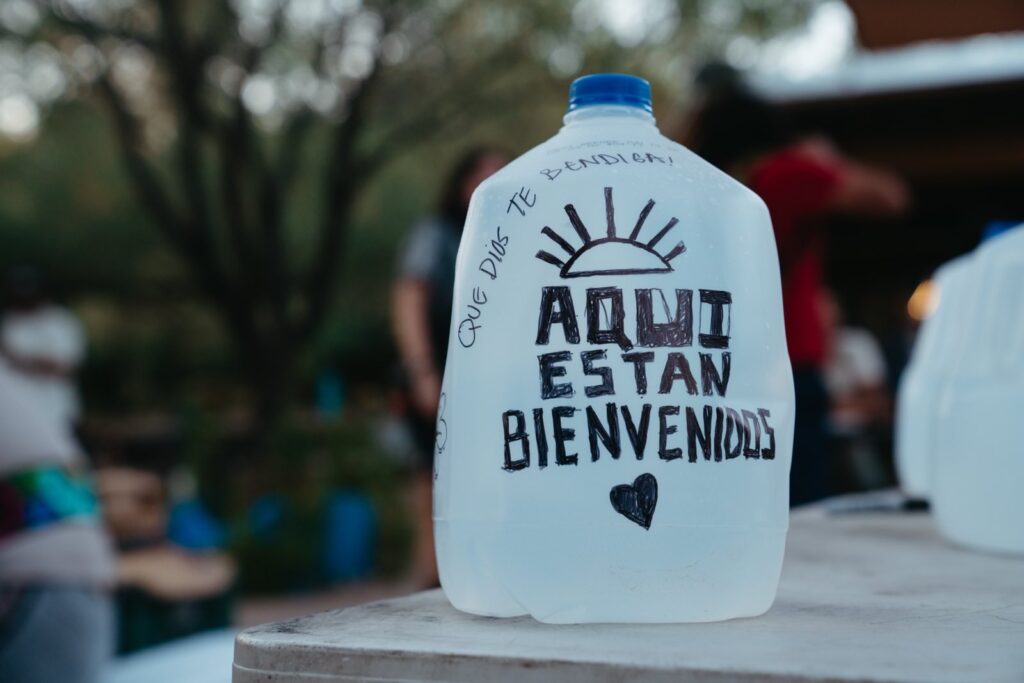
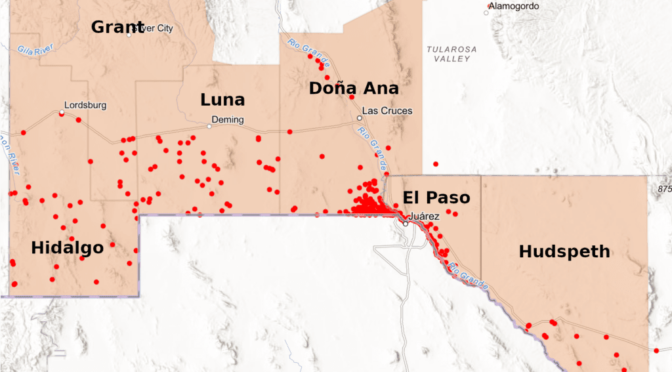
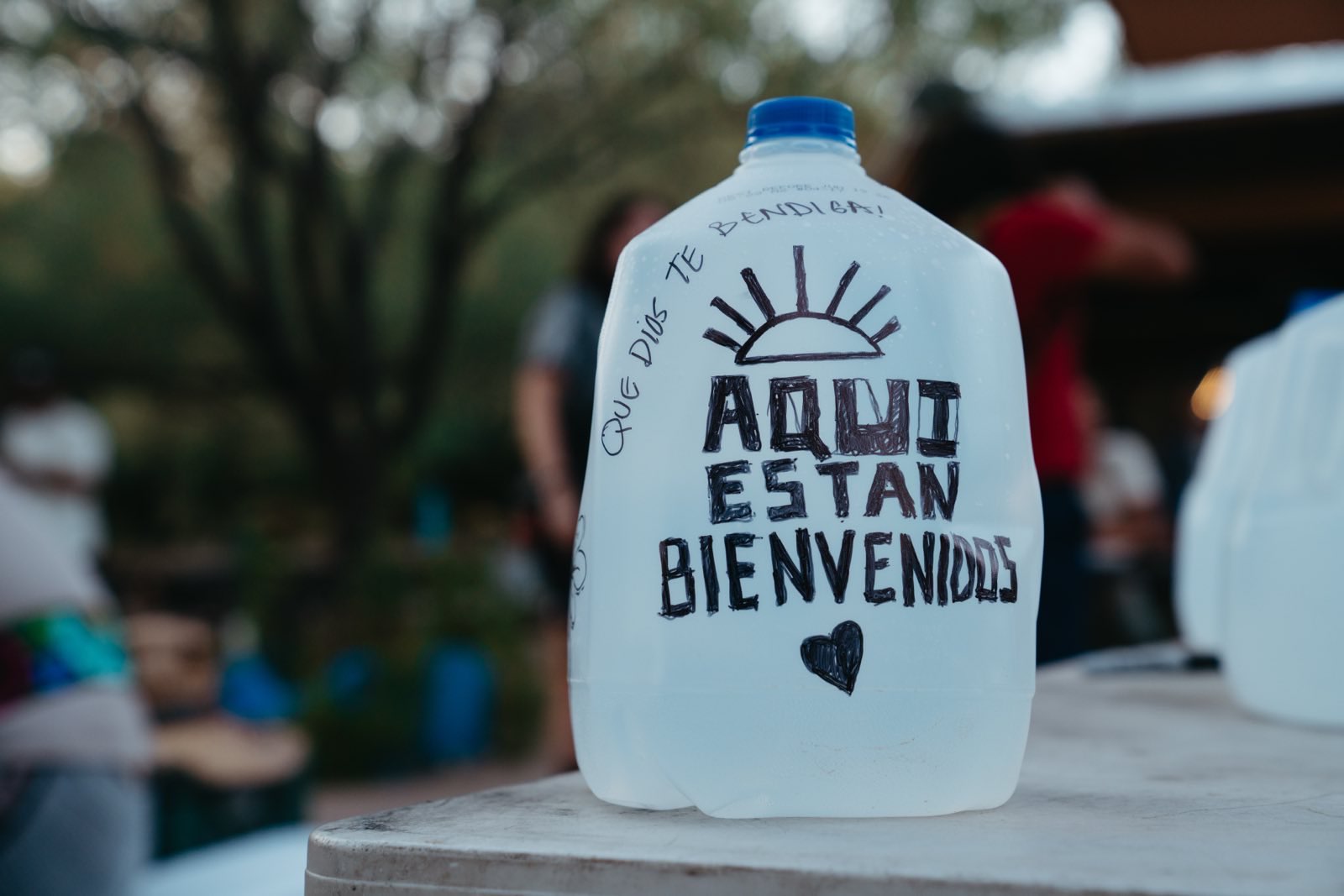
There is a humanitarian crisis ongoing at the border as we are seeing drastically increased numbers of asylum seekers crossing in remote mountain areas. Customs and Border Protection has not been adequately responding, at times even threatening humanitarian aid volunteers with arrest while leaving hundreds stranded in deadly, hypothermic conditions. No More Deaths / No Más Muertes, fellow humanitarian aid groups, community groups, and individuals have stepped up to help care for them, but the situation is continuing to escalate. The Tucson Sentinel wrote an article that illuminates the suffering and dire need, please check it out here.

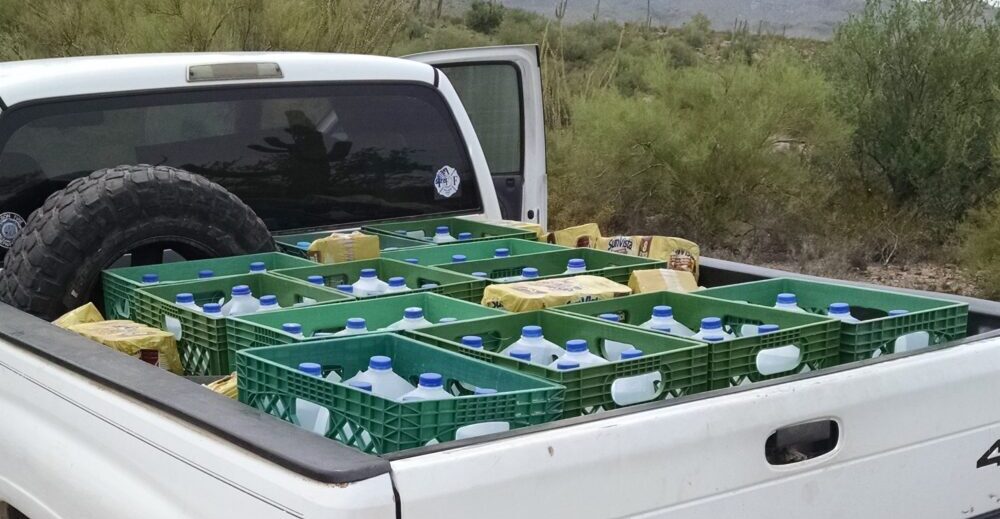
Thus far we have re-allocated funds to manage this support, but those funds are running low and our work is far from over. We are asking our community to help us by making a donation today so we can continue to provide blankets, clothing, food, shoes, and other humanitarian aid. Our volunteers are working tirelessly to get these supplies directly to the people in danger of hypothermia and exposure due to the winter weather.

We appreciate our community for continuing to support our humanitarian aid efforts. Without you, it would not be possible to make a significant impact on the crisis. Please email us at fundraising@nomoredeaths.org with any questions.

Border Patrol Neglects Asylum Seekers in Winter Storm, Threatens Aid Workers with Arrest

The road along the border wall near Sasabe

SASABE, Arizona – Last night, humanitarian aid workers scrambled to triage and support 300 asylum seekers stranded along the border wall east of Sasabe, Arizona. A winter storm blew in, dumping rain upon the hundreds of men, women, children, and babies left without adequate shelter in the remote location. Recognizing the urgency of the situation, volunteers notified Border Patrol that they would be driving asylum seekers to the Sasabe substation to be processed, to get them out of the life-threatening cold.

Volunteers were told that this was illegal. Meanwhile, Border Patrol agents refused to send personnel to the area, citing road conditions and limited space in vehicles as the reason for their lack of response. They advised volunteers to call 911 if there was a medical emergency.

The message from Border Patrol was loud and clear: you’re on your own.

Despite the constraints of providing humanitarian aid in a place where cell phone service is limited and the nearest ambulance is two hours away, humanitarian aid volunteers did place multiple calls to 911. Through the rainy day and the frigid night, no emergency services arrived.   “Without us volunteers everybody would have died. Everybody would have died,” one volunteer responding to the situation said. “With no tarps, no rain gear, no food, and no water, 300 adults, elders, and children could have died from exposure. We were a group of 8-15 volunteers triaging 300 people, trying to prevent hundreds of deaths. We cannot keep this up. We are not meant for this. We need bigger resources and responses.”  

There are still hundreds of people stranded along the wall, waiting to be picked up by Border Patrol.

NEW REPORT: “Separate and Deadly” Reveals Discriminatory 911 Call System in US/Mexico Borderlands

TUCSON, Arizona – On November 14th, No More Deaths released Separate and Deadly: Segregation of 911 Emergency Services in the Arizona Borderlands. The report is the latest installment of Disappeared, a four-part series that examines Border Patrol’s role in the crisis of mass death and disappearance in the U.S.-Mexico borderlands.

Separate and Deadly analyzes the Pima County Sheriff’s Department’s emergency response system and the segregation of 911 calls in the border region. The findings of the report shed light on a discriminatory system in which vastly different responses are allocated to callers based on their perceived citizenship status. For people migrating through the region, their distress calls to 911 are customarily transferred to Border Patrol – an agency that has already demonstrated a deadly negligence when it comes to emergency response and rescue.

From the report:

“In March 2018, a man contacted 911 eleven times over the course of ten hours. He was lost and alone. As the hours passed, his condition clearly deteriorated, and his voice began to fade. It appeared that Border Patrol was not actively searching for him… Pima County dispatchers continued to transfer his call to Border Patrol every time he called… The county’s own Search and Rescue team was never notified, and the county never activated a search for him. Eventually the man stopped calling. The outcome of his case is unknown.”

The No More Deaths team reviewed thousands of 911 calls and took testimony from humanitarian aid volunteers, in addition to other relevant data sources. In 99% of the calls where the caller was presumed to be undocumented, no intake or assessment was conducted, in 68% of the calls the dispatcher lacked fluency in Spanish to be able to communicate effectively and 50% of the callers were given no notice before being transferred to Border Patrol. 

“Not only is call segregation based on presumed immigration status unlawful, the consequences of such practices are deadly,” says Parker Deighan, one of the report’s contributors. “The findings of this report raise serious questions about the county’s complicity in the ongoing crisis of death and disappearance.”

In 2023 alone, the remains of 175 people have been found in Arizona. Countless more remain disappeared.

Lifeline in the Desert: New Resource for Migrants

Written by Operator 17

This new brochure made by the Missing Migrant Hotline Team is a practical guide for people crossing the borderlands desert. A landscape where a wrong turn or a dead phone battery can become life-threatening. It opens with preparation before the journey even begins, then walks through the hard decisions that arise once someone is on the move. One of the most urgent pieces of advice: conserve your cellular device’s battery so you can reach 911 or allied groups like No More Deaths. If someone in your group gets left behind, the instruction is clear: call for help as soon as you can, and when you do, give every detail you can. If you provide coordinates, you or the person left behind must not move from that location. Staying put is what allows rescuers to find you.

The brochure also addresses the disorienting reality of getting lost in open desert. It covers cardinal directions and how to navigate by the North Star, giving someone a way to reorient when landmarks fail. And it doesn’t sugarcoat the hardest scenario: if no one can save you, you must save yourself. That means staying aware of your surroundings, climbing to a high peak to bring attention to yourself, and if you’re out of water, conserve your energy before you look for food. It’s blunt, but the bluntness comes from care. Every page is written for someone who may have no one else to rely on, and every instruction is aimed at getting them through another hour, another night, another day.

No one should have to cross the desert without information that could save their life. 

Un salvavidas en el desierto: un nuevo recurso para migrantes

Este nuevo folleto elaborado por el equipo de la Línea Directa para Migrantes Desaparecidos es una guía práctica para quienes cruzan el desierto fronterizo. Un paisaje en el que un giro equivocado o una batería de celular agotada pueden poner en peligro la vida. Comienza con los preparativos antes de que el viaje siquiera comience y luego repasa las difíciles decisiones que surgen una vez que alguien está en camino. Uno de los consejos más urgentes: ahorra la batería de tu celular para poder comunicarte con el 911 o con grupos aliados como No More Deaths. Si alguien de tu grupo se queda atrás, la instrucción es clara: pide ayuda tan pronto como puedas y, cuando lo hagas, da todos los detalles que puedas. Si proporcionas coordenadas, ni tú ni la persona que se quedó atrás deben moverse de ese lugar. Quedarse en el mismo sitio es lo que permite a los rescatistas encontrarlos.

El folleto también aborda la desorientadora realidad de perderse en el desierto abierto. Abarca los puntos cardinales y cómo orientarse con la Estrella Polar, lo que brinda una forma de reorientarse cuando los puntos de referencia fallan. Y no edulcora el escenario más difícil: si nadie puede salvarte, debes salvarte tú mismo. Eso significa estar atento a tu entorno, subir a una cima alta para llamar la atención y, si te quedas sin agua, conservar tu energía antes de buscar comida. Es directo, pero esa franqueza surge del cuidado. Cada página está escrita para alguien que tal vez no tenga a nadie más en quien confiar, y cada instrucción tiene como objetivo ayudarle a sobrevivir otra hora, otra noche, otro día.

Nadie debería tener que cruzar el desierto sin la información que podría salvarle la vida.